

10 Sep What Happens If I Lose an Invisalign Tray? | Broken Arrow, OK
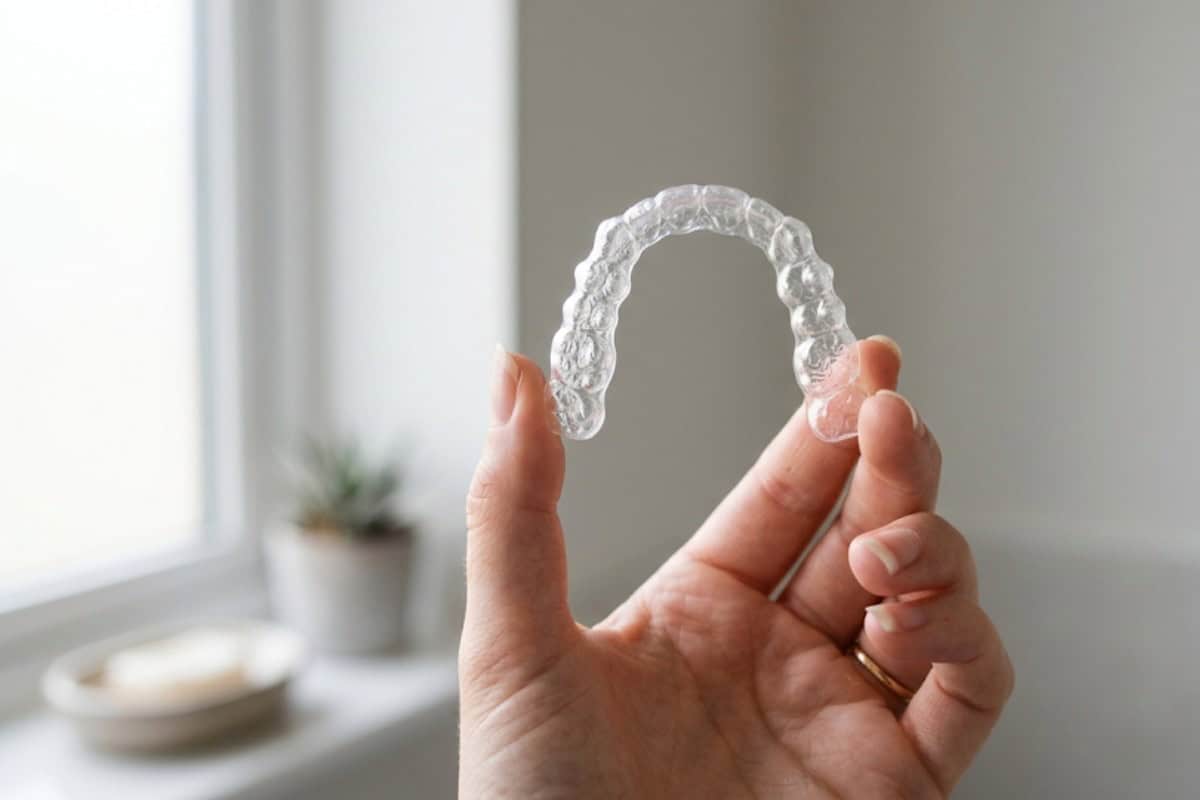
Last Tuesday evening, a patient wearing clear aligners pulled her upper tray out before dinner at a restaurant off the Broken Arrow Expressway, wrapped it in a paper napkin, and watched the busser clear the table before she remembered it was there. By the time she got home, it was gone. It’s one of the most common questions we hear from patients using Invisalign at our Broken Arrow dental office: what happens if I lose an Invisalign tray, and will it undo weeks of progress? The short answer is that a single missing tray is rarely a crisis, but what you do in the next few hours and days matters for keeping your treatment plan on schedule.
What To Do the Moment You Realize Your Tray Is Missing
Panic is the natural first reaction, but a few calm steps in the first hour or two make the biggest difference in how smoothly this gets resolved.
- Retrace your last few stops (restaurant tables, gym bags, purses, car cupholders, and trash cans are the most common places aligners turn up).
- Check the last place you removed it, since aligners are frequently left wrapped in a napkin or tissue and thrown away by accident.
- Locate your most recent previous tray so you have something to wear while you sort out next steps.
- Note the exact date you last had the lost tray in and how many days remain before your next scheduled tray change.
- Call your dentist’s office the same day, or the next business day if it happens overnight, rather than waiting until your next appointment.
- Avoid ordering a replacement kit on your own before your dentist has weighed in on which tray you should be wearing in the meantime, since clear aligners are custom medical devices meant to be adjusted under a dentist’s supervision.
What Happens If I Lose an Invisalign Tray for More Than a Few Days?
Clear aligners work by applying steady, incremental pressure that shifts teeth in small stages, typically over one to two weeks per tray. Going without any tray for less than 24 hours usually has minimal effect. The concern grows the longer your teeth sit without any appliance at all, because teeth are always subject to natural forces from chewing, tongue pressure, and everyday bite pressure that can allow them to drift, even slightly, from the position your last tray held them in. Guidance on clear aligner therapy points to consistent wear of 20 to 22 hours a day as what makes treatment predictable, which is exactly why an extended gap without any tray is the scenario worth avoiding. Once you reach 3 to 5 days without any tray in place, it’s time to contact your dentist right away rather than continuing to wait it out, and by the time a week or more has passed, your teeth may have moved just enough that your next tray no longer seats fully, which is a sign you need a professional check rather than pushing through discomfort on your own.
Should You Wear Your Previous Tray or Move to the Next One?
This is the part patients get wrong most often, and the answer depends on timing rather than guesswork. If you lost a tray you had been wearing for only a few days and your next scheduled change is still several days away, your previous tray is almost always the safer choice because it still matches a position your teeth have already settled into. If you were only a day or two away from your next scheduled tray change and the next tray in your series snaps into place fully, with even pressure and no persistent gaps along the biting surface, moving ahead can sometimes be reasonable. What you should not do is guess your way through several trays in a row or leave teeth without any appliance while you decide. Your Invisalign or clear aligner treatment plan was mapped out in a specific sequence for a reason, and skipping steps without guidance can throw off that sequence, much the way inconsistent wear of orthodontic retainers after braces can let teeth drift back out of alignment. When in doubt, wear the older tray and let your dentist tell you whether to hold there or advance.
When a Lost Tray Starts to Affect Your Treatment Timeline
A single lost tray, handled promptly, rarely changes your overall treatment length in any noticeable way. Timelines start to shift when a tray goes unworn for an extended stretch, when a patient tries to skip ahead without a proper fit check, or when a replacement isn’t ordered until well after the tray went missing. The table below reflects the general guidance dentists use when a tray goes missing, though your dentist may adjust it based on how far along you are in treatment.
| Time Since You Lost the Tray | Recommended Action |
|---|---|
| Less than 24 hours, next tray change is still days away | Wear your previous tray and call your dentist’s office |
| Within a day or two of your next scheduled tray change | Try the next tray only if it seats fully and snugly; otherwise wear the previous one |
| 3 to 5 days without any tray | Contact your dentist right away; keep wearing the previous tray in the meantime |
| More than a week, or the next tray no longer fits smoothly | Contact your dentist for a new scan or impression before continuing treatment |
Longer gaps matter because teeth can shift enough that the fit of your remaining tray sequence is thrown off. This is the same principle dentists point to with teeth shifting after inconsistent retainer wear: the longer an appliance sits unused, the more room there is for movement that a later tray may no longer accommodate. If that happens, a quick scan or new set of impressions gets your sequence back on track rather than forcing an ill-fitting tray to do work it wasn’t designed for.
Caring for the Trays You Still Have
While you’re sorting out a replacement, taking good care of the tray you fall back on matters more than usual, since it may need to carry you a little longer than originally planned. Rinse it in lukewarm water, brush it gently with a soft toothbrush, and store it in its case any time it’s out of your mouth, the same aligner care habits that keep any clear aligner or retainer performing the way it should. Building a consistent routine, such as always removing your tray on the same napkin-free plate or case at home, is one of the simplest ways to prevent a repeat loss down the road. General oral appliance care guidance from the American Dental Association applies here too: appliances that are cleaned and stored properly last longer and fit more predictably, whether they’re aligners, retainers, or traditional braces.
Why Choose Dentistry For You
When a Broken Arrow patient calls us because a tray went missing at the office, in the car, or on a trip, our team can look at your specific case file and tell you the same day whether to hold on your current tray, move to the next one, or come in for a scan. Because we’re located right here in Broken Arrow at 2522 E Kenosha St., getting in for a quick fit check or a new impression doesn’t mean driving across town or waiting weeks for an opening. We treat a lost tray as a scheduling priority rather than routine business, precisely because the sooner we adjust your plan, the less likely it is to add real time to your treatment. If you’re worried a lost or damaged tray has already caused your teeth to shift, we can check the fit of your next tray against your current bite before you keep wearing it, rather than letting you guess and hope it’s still tracking correctly.
Conclusion
Losing an Invisalign tray is inconvenient, but it doesn’t have to mean setbacks if you act quickly. Retrace your steps, fall back on your previous tray, and reach out to your dentist within a day or two rather than waiting it out on your own. The real risk isn’t a single missing tray, it’s the days that pass afterward without any appliance in place or without professional input on what to wear next. With a prompt call and the right interim tray, most patients stay right on schedule.
If you’re a current Invisalign or clear aligner patient in Broken Arrow and a tray has gone missing, don’t wait for your next scheduled visit. Reach out to our team for guidance on what to wear in the meantime and whether a quick scan will keep your treatment moving forward without a real delay.
Lost a tray or worried about your Invisalign timeline? Contact Dentistry For You today to schedule a free consultation and get your treatment plan back on track.
Frequently Asked Questions
Should I skip ahead to my next aligner if I lose my current one?
Only if your next tray is due within a day or two and it fits fully and snugly with no visible gaps along the biting edge. If it doesn’t seat completely or your next change is still several days out, wearing your previous tray is generally the safer option. A dentist or orthodontist can confirm which choice fits your specific stage of treatment.
How long can I go without wearing any aligner tray?
Most guidance suggests treating any gap of more than a day or two as a reason to contact your provider, since teeth can begin to shift once steady pressure is removed. Short gaps of a few hours typically cause little to no noticeable effect. The longer the gap stretches, the more likely it is that your next tray in the series will no longer fit as intended.
Will losing an aligner tray delay my treatment?
A single lost tray that’s replaced or addressed within a day or two usually has little to no effect on your overall timeline. Delays tend to happen when a tray goes unworn for many days, when a patient tries to skip ahead without checking fit, or when a replacement isn’t ordered promptly. Quick communication with your provider is what keeps a lost tray from becoming a longer setback.
Can I wear an older aligner tray while I wait for a replacement?
Yes, in most cases your most recent previous tray is the recommended option while you sort out a replacement, since it still matches a position your teeth have recently held. It won’t continue moving your teeth forward, but it helps hold your progress in place. Your provider can confirm this is the right choice based on how long you wore it and how far along your treatment is.
What if I don’t have a backup tray to wear at all?
Contact your provider as soon as possible rather than going without any appliance for an extended period. They can advise whether to send a replacement, have you come in for a fit check, or take a new scan depending on how far along your treatment is. Going too long without any tray increases the chance that your remaining trays won’t fit as expected.

Sorry, the comment form is closed at this time.