
Root canal treatment removes damaged or infected tissue from inside a tooth, cleans and disinfects the root canals, and seals the space to help prevent further infection. In many cases, it allows you to keep a natural tooth that might otherwise need to be removed.
Root canals have a reputation for being painful, but the procedure is designed to address the source of the problem. With appropriate anesthetic, treatment is generally similar to having a more involved filling. At Dentistry For You in Broken Arrow, we’ll evaluate your symptoms, explain what we find, and help you understand your treatment options.
What Happens Inside a Tooth?
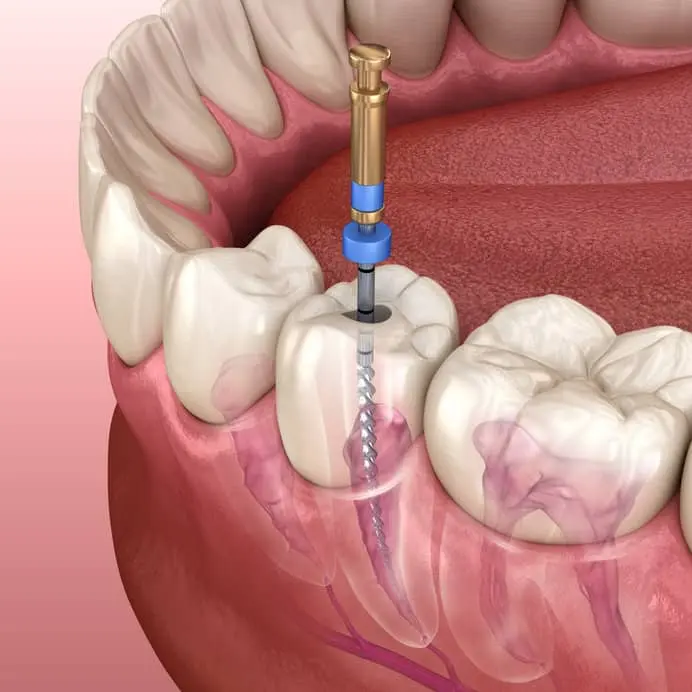
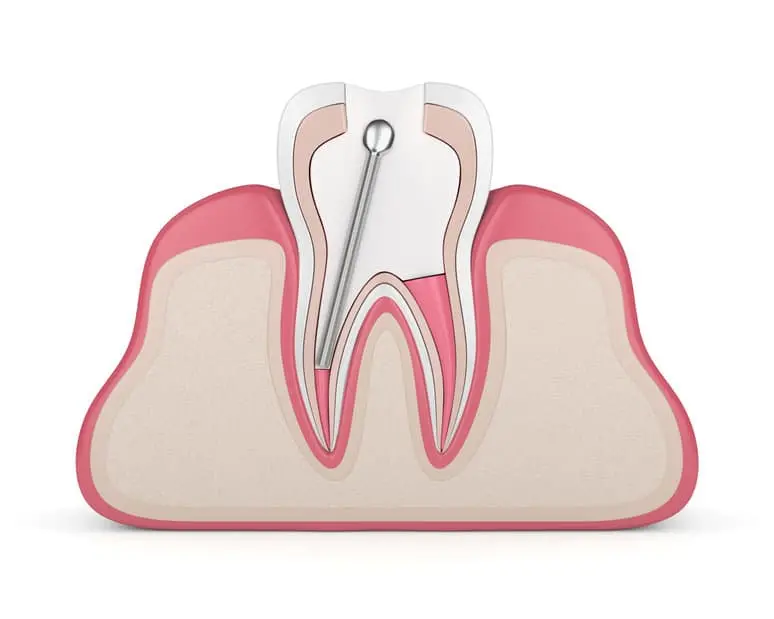
Inside each tooth is soft tissue called the pulp, which contains nerves and blood vessels. The pulp extends from the center of the tooth through narrow canals inside its roots.
Deep decay, a crack, an injury, or repeated dental procedures can damage the pulp or allow bacteria to reach it. The tissue may become inflamed or infected, causing pain and sometimes swelling.
When the pulp is too damaged to recover, root canal treatment may be recommended. The alternative may be removing the tooth, depending on its condition and whether it can be restored.
Signs You Might Need a Root Canal
Problems inside a tooth can cause several symptoms, including:
Tooth pain that lingers after exposure to hot or cold temperatures.
A deep, throbbing toothache that may worsen at night.
Pain when biting or chewing.
A tooth that becomes darker than the surrounding teeth.
A small bump on the gum near a tooth, which may indicate an infection.
Swelling or tenderness in the gums around the affected tooth.
Not everyone experiences obvious symptoms. Sometimes a dentist discovers a problem during an examination or on a dental X-ray.
If a severe toothache suddenly stops, don’t assume the problem has resolved. The nerve inside the tooth may have died, but infection can remain and cause further complications.
An examination, X-rays when appropriate, and tests of the tooth can help determine what’s causing the symptoms and whether root canal treatment is needed.
If you develop facial swelling, fever, or worsening pain, seek prompt dental care. Difficulty breathing or swallowing requires emergency medical attention.
What Happens During a Root Canal?
Root canal treatment typically involves several steps:
Numbing the tooth. Local anesthetic helps keep you comfortable during treatment.
Accessing the pulp. The dentist makes a small opening in the tooth to reach the damaged tissue.
Cleaning the canals. The affected pulp is removed, and the canals are cleaned, disinfected, and shaped.
Sealing the canals. The cleaned spaces are filled with a material called gutta-percha and sealed.
Restoring the tooth. The opening is closed with a filling or other restoration, and a crown may be recommended to protect the remaining tooth.
Some root canals can be completed in one appointment, while others require additional visits depending on the tooth and the extent of the infection.
You may feel pressure or vibration during treatment, but you should let your dentist know if you experience pain so they can assess your comfort.
What to Expect After Root Canal Treatment
It’s normal for the tooth and surrounding tissues to feel tender for a few days after treatment, particularly when biting. This discomfort generally improves as the area heals.
Follow your dentist’s instructions for managing discomfort and caring for the tooth. You may need to avoid chewing on that side until the tooth has received its final restoration, especially if a temporary filling is in place.
Contact the office if pain becomes more severe instead of improving, swelling develops or increases, or a temporary filling or crown comes loose.
Why a Crown May Be Needed After a Root Canal
Completing the root canal is only part of the process. The tooth may also need a restoration that protects it during everyday chewing.
A tooth requiring root canal treatment may already have significant damage from decay, a large filling, or a crack. The access opening needed for treatment can also affect the remaining structure.
For back teeth, a dental crown is often recommended to cover and protect the tooth. Some teeth may be restored with a filling or another type of restoration instead, depending on how much healthy tooth remains.
Your dentist will explain which restoration is appropriate and when it should be placed. Following through with the recommended final restoration helps protect the treated tooth from further damage.
Root Canal or Tooth Extraction?
When a tooth is damaged or infected, root canal treatment and extraction may be two possible options. The right choice depends on the extent of the damage, the tooth’s prognosis, your overall dental health, and the cost of treatment.
Root canal treatment removes the damaged tissue while preserving the natural tooth. The tooth will usually need a filling or crown afterward, depending on its condition.
Tooth extraction removes the tooth entirely. If you choose to replace the missing tooth, options may include a dental implant, a dental bridge, or a partial denture.
Keeping a natural tooth can be beneficial when it can be restored successfully, but root canal treatment isn’t appropriate for every tooth. We’ll consider the likely outcome, explain the alternatives, and discuss the associated costs so you can make an informed decision.
Have a Toothache? Let's Take a Look.
Persistent tooth pain, sensitivity, or swelling is worth having evaluated. Getting the tooth checked can help identify the cause and determine whether root canal treatment or another approach is appropriate.