Skip to content Call Us: (918) 355-1391

Dental pain and injuries can happen without warning. If you need emergency dental care in Broken Arrow, Dentistry For You will do its best to accommodate you as soon as possible, often on the same day.

When you call (918) 355-1391, tell us what happened, when it started, and what symptoms you’re experiencing. We’ll help determine how urgently you need care and explain the next steps.

What to Do If You Have a Dental Emergency

The right first step depends on what’s happened. Here’s what to do while arranging care.

A Knocked-Out Permanent Tooth

A knocked-out permanent tooth needs immediate attention. The sooner you receive care, the better the chance of saving it.

Pick up the tooth by the crown, the part normally visible in your mouth. Avoid touching the root.

If it's dirty, rinse it gently with milk or saline. Don't scrub it or remove any attached tissue.

If you're comfortable doing so, gently place the tooth back into its socket in the correct position. Don't force it.

If you can't reinsert it, keep the tooth moist in milk or an appropriate tooth-preservation solution and bring it with you.

Call us immediately and seek urgent dental care. Don't delay treatment trying to reinsert the tooth if you're unsure how to do it.

A knocked-out baby tooth should not be placed back into the socket, because doing so can harm the developing permanent tooth.

A Broken or Chipped Tooth

Rinse your mouth gently with warm water. If there's swelling, apply a cold compress to the outside of your face. Save any broken pieces you can find and bring them to your appointment.

If a sharp edge is irritating your tongue or cheek, dental wax may help cover it temporarily. Call us so we can assess the damage and determine how soon you need to be seen.

A Severe Toothache

A persistent or severe toothache can be caused by deep decay, inflammation inside the tooth, an infection, or another dental problem.

While arranging care, you can:

  • Rinse gently with warm salt water.
  • Use a cold compress on the outside of your face if needed.
  • Take an over-the-counter pain reliever according to its label, if it's safe for you to do so.

Don't place aspirin or other pain medication directly against your tooth or gums. This can injure the gum tissue without treating the underlying problem.

Call us to arrange an examination and determine what treatment may be needed. Don't wait for severe pain to go away on its own.

A Lost Filling or Crown

If a crown comes off, keep it and bring it to your appointment. Depending on its condition and the tooth underneath, it may be possible to put it back in place.

If a filling comes out, the exposed tooth may be sensitive or vulnerable to further damage. Avoid chewing on that side, and stay away from foods or drinks that trigger sensitivity. Temporary dental filling material from a pharmacy may help protect the area until you receive care.

Don't use household glue or super glue to reattach a crown. Call us so we can evaluate the tooth and discuss the next step.

Facial or Jaw Swelling

Swelling around a tooth, gum, or jaw can indicate an infection that needs prompt attention. Call us right away if you notice new or worsening swelling.

Go to an emergency room immediately if you have difficulty breathing or swallowing, or if swelling is rapidly spreading toward your eye or neck. Fever or feeling very unwell alongside dental swelling also warrants urgent medical assessment. Don't wait for a routine dental appointment if you may have a serious infection.

What Happens During an Emergency Dental Visit?

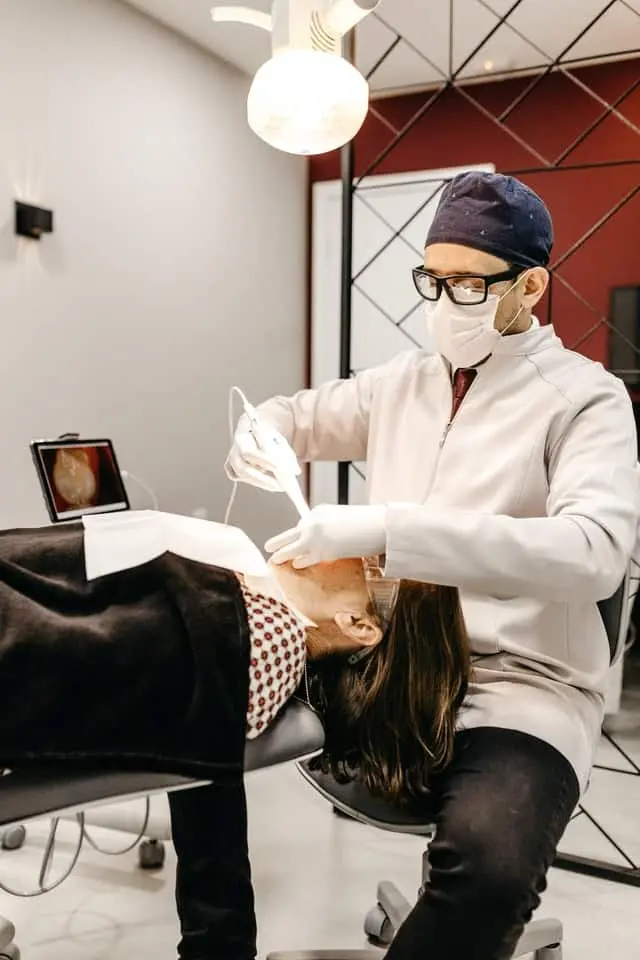
Our first step is to assess what's causing the problem and address your immediate needs. This may include examining the affected area and taking dental X-rays when appropriate.

Once we've evaluated the tooth or injury, we'll explain what we found, discuss your treatment options, and review the expected costs before proceeding.

Sometimes treatment can be completed during the same visit. In other cases, the priority is to relieve discomfort or stabilize the problem before arranging additional treatment.

We'll explain what needs attention, what can be done that day, and what the next steps look like.

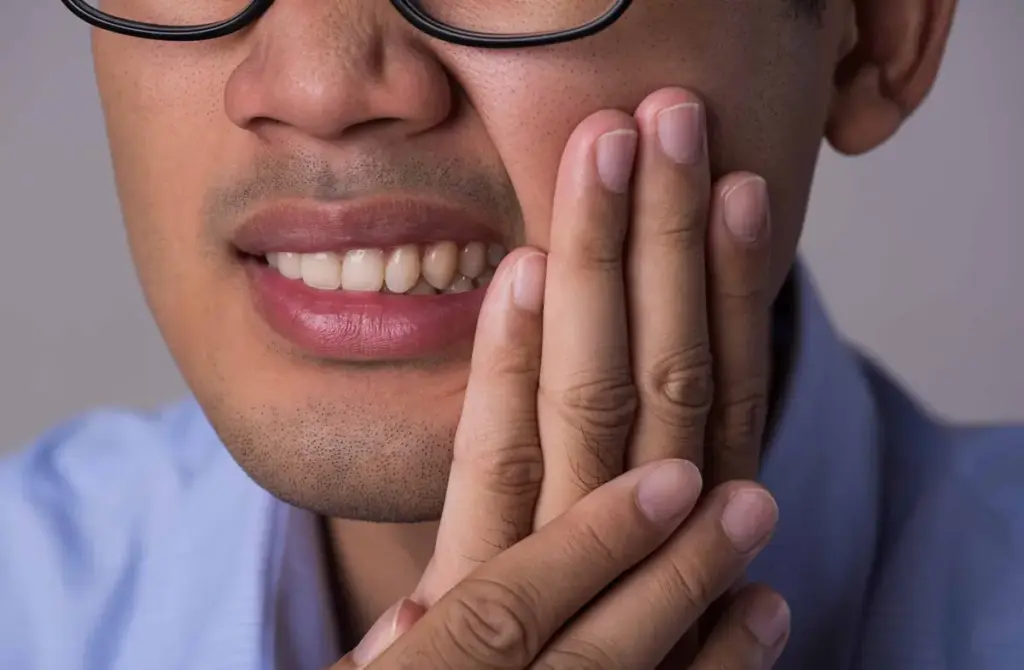
A man holding his jaw in pain
A man pressing his hand against his cheek

Why It's Worth Getting Dental Problems Checked Early

Dental problems can become more complicated when treatment is delayed. A cavity may progress until it requires a root canal, while a tooth with a crack may need a dental crown. If a tooth is too damaged to restore, an extraction may be necessary.

Pain disappearing doesn’t always mean the problem has healed. For example, the nerve inside a tooth may stop functioning even while an infection remains.

Having a tooth examined promptly can help identify the cause, protect your options, and prevent some problems from becoming more extensive. If something hurts, breaks, swells, or suddenly changes, contact a dental professional rather than waiting to see what happens.

Call Dentistry for You in Broken Arrow

If you’re experiencing a dental emergency, call (918) 355-1391 and describe what’s happening. We make every effort to accommodate urgent dental needs as quickly as possible.

If you have a potentially life-threatening emergency, seek emergency medical care rather than waiting for the office to open.

Ready to Schedule Your First Visit?

We're happy to welcome new patients to Dentistry For You in Broken Arrow. If you have questions about your first appointment, insurance, or what to expect, give our team a call.

(918) 355-1391Call the front desk
2522 E Kenosha StBroken Arrow, OK 74014
Mon–Wed, 8:00 a.m.–5:00 p.m.; Thu, 8:00 a.m.–4:00 p.m.Closed for lunch from noon to 1:00 p.m. Closed Friday, Saturday and Sunday.
New patient formsFill them in before you arrive

Request an appointment

Send this and the front desk will follow up to confirm a time and check your insurance before you arrive.

Please do not include medical or dental history here. We will go through all of that with you in the office.

Would rather book by phone? Call (918) 355-1391, Mon–Wed, 8:00 a.m.–5:00 p.m.; Thu, 8:00 a.m.–4:00 p.m.