
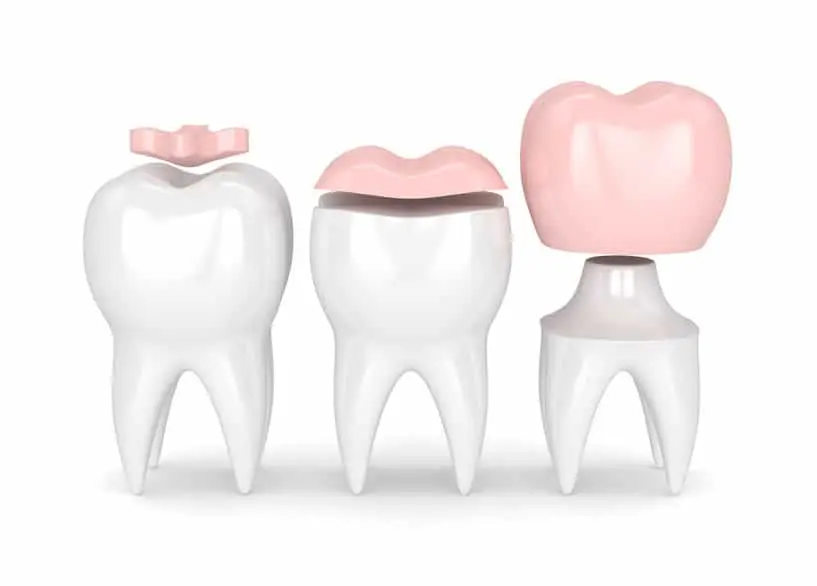
A dental crown covers the visible portion of a tooth, restoring its shape, strength, and function. At Dentistry For You in Broken Arrow, crowns may be recommended for teeth that are cracked, have large fillings, are significantly worn, or have been weakened by root canal treatment.
Porcelain and other all-ceramic crowns can also be made to blend with your natural teeth, helping restore your smile while protecting the remaining tooth structure.
When Do You Need a Dental Crown?
A filling repairs a damaged area of a tooth, but it relies on the remaining tooth structure for support. When too much of the tooth has been damaged or lost, a crown may provide better coverage and protection.
Your dentist may recommend a crown if you have:
- A cracked or fractured tooth
- A large filling with weakened tooth structure around it
- Significant tooth wear from grinding or clenching
- A tooth that needs additional protection after root canal treatment
- A broken cusp, or one of the raised areas on a tooth's chewing surface
The right treatment depends on how much healthy tooth structure remains and where the damage is located. We'll examine the tooth, explain what we find, and discuss whether a crown or another restoration is the best option.
Dental Crowns for Cracked Teeth
A cracked tooth can be difficult to identify. Some people notice sharp pain when biting down or releasing a bite, while others experience sensitivity that comes and goes. The discomfort may occur only when chewing certain foods or biting at a particular angle.
Not every crack is visible during a routine examination, and some cracks don’t show up clearly on dental X-rays. Your dentist may need to examine the tooth closely and perform additional tests to help determine the location and extent of the damage.
Depending on the crack, a crown may help hold the remaining tooth together and protect it from biting forces. However, a tooth with a crack extending too far below the gumline or into the root may not be restorable.
If you experience pain when biting or chewing, don’t wait for your next routine checkup to have it evaluated. Early assessment can help your dentist determine what treatment may be possible.
What to Expect When Getting a Dental Crown
Getting a dental crown typically involves two appointments when the crown is made by a dental laboratory.
Your First Appointment
First, we’ll numb the area to help keep you comfortable. Your dentist will remove decay, damaged tooth structure, or old filling material as needed. If a substantial amount of the tooth is missing, a core buildup may be needed to provide support for the crown.
Next, the tooth is shaped to make room for the restoration. An impression or digital scan is taken so the crown can be made to fit your tooth. We’ll also select a shade intended to blend with your surrounding teeth.
A temporary crown is then placed to protect the prepared tooth while the permanent crown is being made.
Your Second Appointment
Once the permanent crown is ready, you’ll return to have it placed. Your dentist will remove the temporary crown and check the new one for fit, appearance, and how it meets the neighboring teeth. Your bite will also be checked and adjusted as needed.
Once the crown fits properly and everything feels right, it will be cemented into place.
Your dentist will explain how to care for the new crown and what to expect afterward.
Caring for a Temporary Crown
A temporary crown protects your tooth while the permanent restoration is being made, but it isn’t attached as securely as the final crown.
While wearing a temporary crown:
Avoid sticky foods that could pull it loose.
Be careful with hard foods, and chew on the opposite side when possible.
Brush gently around the crown and keep the area clean.
When flossing around it, slide the floss out through the side instead of pulling it straight up.
If your temporary crown comes off, keep it and contact our office for instructions. The prepared tooth may be sensitive, and leaving the crown off can allow the tooth or neighboring teeth to shift, potentially affecting the fit of the permanent restoration.
Don’t try to force the crown back into place. Call us so we can advise you on what to do next.
Types of Materials Used for Dental Crowns
Crowns can be made from different materials, and the best choice depends on the tooth being restored, your bite, and your cosmetic goals.
All-Ceramic Crowns
All-ceramic crowns contain no metal and can be designed to resemble the color and appearance of natural teeth. They may be a good option for visible teeth where a natural-looking result is important.
Zirconia Crowns
Zirconia is a strong ceramic material that may be suitable for back teeth and areas exposed to greater biting forces. Its appearance and properties can vary depending on the type of zirconia used.
Lithium Disilicate Crowns
Lithium disilicate is another ceramic material valued for its strength and natural-looking appearance. It may be considered when both durability and aesthetics are important.
No single crown material is right for every situation. Your dentist can explain which materials are available and recommend an option based on your tooth, bite, and treatment needs.
Learn more about the materials we use on our metal-free dentistry page.
How to Care for a Dental Crown
A crown cannot develop decay, but the natural tooth underneath it still can. Plaque can collect along the edge where the crown meets the tooth, so daily cleaning remains important.
To care for your crown:
Brush twice a day with fluoride toothpaste.
Clean between your teeth daily with floss or another recommended tool.
Keep up with regular dental checkups and cleanings.
Let your dentist know if the crown feels loose, becomes uncomfortable, or chips.
If you clench or grind your teeth, ask whether a night guard may help protect your crown and other teeth from excessive force.
With proper care, dental crowns can last for many years, although their lifespan varies depending on the material, the tooth’s condition, your bite, and your oral hygiene.
Schedule a Dental Crown Consultation in Broken Arrow
If you have a damaged tooth, pain when biting, or an older filling that may need attention, Dentistry For You can help you understand your options. We’ll examine the tooth, explain what we find, and discuss whether a crown or another treatment makes sense for you.