

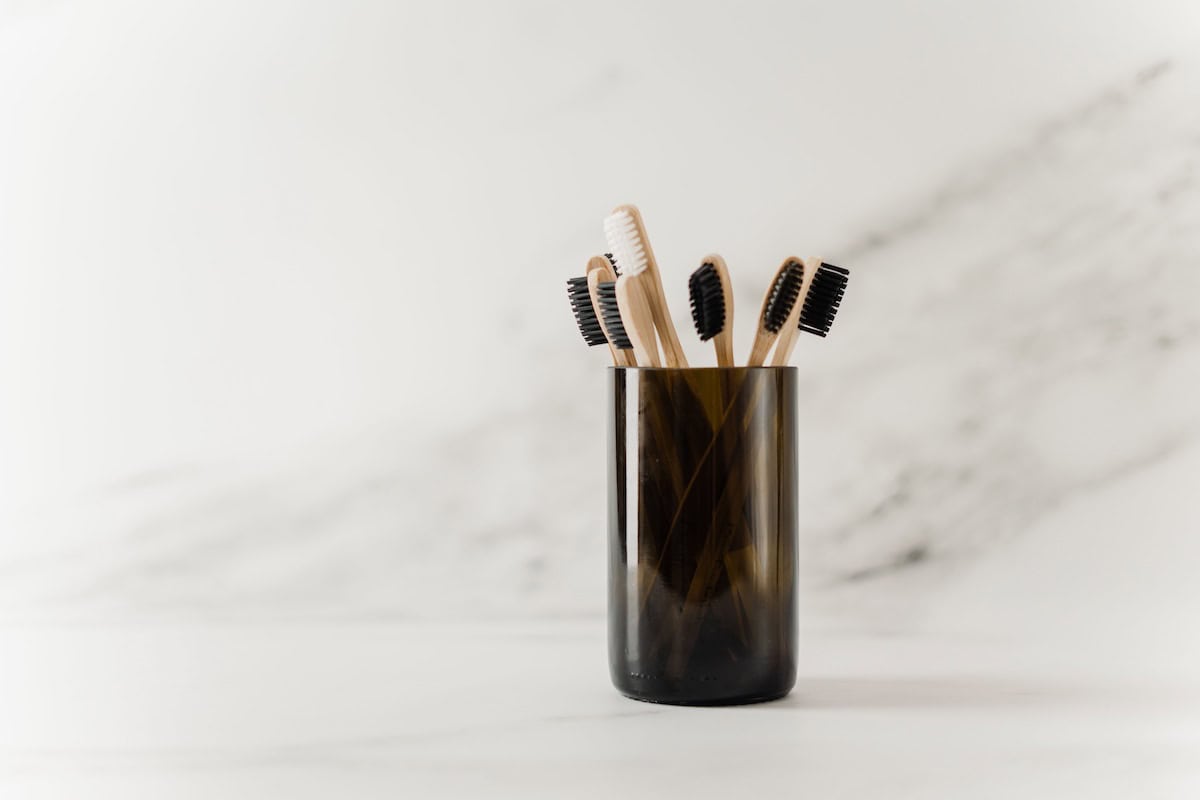
20 Aug How to Choose the Right Toothbrush for Your Oral Health Needs | Broken Arrow, OK
Choosing a toothbrush may seem simple. Walk into a store, pick a color you like, and move on. But with so many toothbrushes available today—from soft-bristle manual brushes to electric toothbrushes with multiple settings—it can be difficult to know which option is actually best for your teeth and gums.
The right toothbrush can make it easier to remove plaque, protect your enamel, and maintain healthy gums. The wrong toothbrush, particularly one that is too firm or used with excessive pressure, may contribute to gum irritation, enamel wear, or tooth sensitivity.
Whether you have sensitive teeth, braces, gum concerns, or simply want to improve your daily oral hygiene routine, choosing the right toothbrush can make a difference. Here’s what to consider when selecting a toothbrush for your oral health needs.
Manual vs. Electric Toothbrush: Quick Comparison
| Feature | Manual Toothbrush | Electric Toothbrush |
|---|---|---|
| Upfront Cost | Lower | Higher, plus replacement heads |
| Built-In Timer | No | Often included |
| Pressure Sensor | No | Available on many models |
| Best For | Most people with good technique | Limited dexterity, braces, heavy-handed brushers |
| Replacement Schedule | Every 3-4 months | Brush head every 3-4 months |
Why Choosing the Right Toothbrush Matters
Brushing twice a day is one of the most important habits for maintaining good oral health. However, brushing regularly is only part of the equation.
Your toothbrush, brushing technique, and the amount of pressure you use can all affect how effectively you clean your teeth. A good toothbrush should help you remove plaque without damaging your teeth or irritating your gums. It should also be comfortable enough that you can consistently use it for the recommended two minutes.
Your individual oral health needs may also influence which type of toothbrush works best for you. For example, someone with sensitive teeth may benefit from a soft-bristled toothbrush, while someone with braces may prefer a specialized brush designed to clean around brackets and wires.
Soft Bristles Are Usually the Best Choice
When choosing a toothbrush, one of the most important factors is the bristle type. For most people, a soft-bristled toothbrush is the best option.
Soft bristles can effectively clean plaque while being gentler on your gums and enamel. Medium- or hard-bristled toothbrushes may seem like they would provide a deeper clean, but more pressure does not necessarily mean better cleaning.
Scrubbing aggressively with firm bristles can contribute to gum irritation, gum recession, and enamel wear. When shopping for a toothbrush, look for labels such as:
- Soft bristles
- Extra-soft bristles
- Gentle cleaning
If you are unsure which bristle firmness is appropriate for you, ask your dentist or dental hygienist for a recommendation.
Manual vs. Electric Toothbrushes
One of the most common questions people have is whether an electric toothbrush is better than a manual toothbrush.The good news is that both can effectively clean your teeth when used correctly and consistently. However, an electric toothbrush may offer advantages for certain people. Electric toothbrushes can be particularly helpful for individuals who:
- Have difficulty using a manual toothbrush
- Brush too aggressively
- Have limited dexterity
- Wear braces
- Have trouble brushing for a full two minutes
- Want additional brushing feedback
Many electric toothbrushes include built-in timers, pressure sensors, or different cleaning modes. A pressure sensor can be especially useful if you tend to brush too hard. Ultimately, the best toothbrush is one that you will use correctly and consistently.
Not Sure Which Toothbrush Is Right for You? Ask Your Dentistry For You Team
Choosing a Toothbrush for Sensitive Teeth
If you experience tooth sensitivity, your toothbrush can either help or make the problem worse. Aggressive brushing or firm bristles can contribute to enamel wear or gum recession, potentially exposing more of the sensitive dentin underneath. If you have sensitive teeth, consider using:
- A soft- or extra-soft-bristled toothbrush
- A gentle brushing technique
- A toothpaste designed for sensitive teeth
- An electric toothbrush with a pressure sensor
Avoid scrubbing back and forth forcefully. Instead, use gentle, controlled movements and allow the bristles to do the work. Persistent sensitivity should also be discussed with your dentist because it can have several possible causes, including cavities, gum recession, cracked teeth, worn enamel, or other dental concerns.
The Best Toothbrush for Braces
Braces create additional areas where plaque and food particles can collect, making thorough brushing especially important. If you wear traditional braces, look for a toothbrush that makes it easier to clean around brackets and wires. Some toothbrushes have specialized bristle designs that can help reach difficult areas.
An electric toothbrush can also be useful for people with braces, particularly if it helps you spend enough time cleaning each area. Regardless of the toothbrush you choose, take your time.
Pay attention to the areas around brackets, along the gumline, and between teeth. Your orthodontic or dental team can also demonstrate brushing techniques specifically for your appliance.
Consider the Size of the Toothbrush Head
Bristle softness isn’t the only thing that matters. The size of the toothbrush head can affect how easily you can reach different areas of your mouth. A smaller or compact head may make it easier to reach:
- Back molars
- Areas behind the front teeth
- Tight spaces
- Hard-to-reach surfaces
A toothbrush head that is too large may make it difficult to maneuver comfortably, especially around the back teeth. Choose a size that allows you to reach all areas of your mouth without having to force the brush into place.
Look for a Comfortable Handle
The handle may not seem important, but comfort can affect how effectively you brush. A toothbrush should feel secure in your hand and be easy to control. If you have arthritis, limited hand mobility, or another condition that makes gripping difficult, an electric toothbrush with a larger or ergonomic handle may be easier to use.
Children should also have toothbrushes designed for their smaller hands and mouths. A comfortable toothbrush can make brushing easier and more consistent.
How Often Should You Replace Your Toothbrush?
Even the best toothbrush won’t last forever. The American Dental Association generally recommends replacing your toothbrush or electric toothbrush head every three to four months, or sooner if the bristles become frayed or worn.
Worn bristles are less effective at cleaning your teeth and may not reach plaque as effectively. You may also need to replace your toothbrush sooner if:
- The bristles are visibly damaged
- Your child chews on the toothbrush
- You have been sick
- The brush has become difficult to keep clean
A simple way to remember is to replace your toothbrush at the beginning of each new season.
Don’t Forget Your Brushing Technique
Even the most advanced toothbrush cannot compensate for poor brushing technique. When brushing, hold the toothbrush at approximately a 45-degree angle toward the gumline.
Use gentle, short movements and make sure you clean the outer, inner, and chewing surfaces of every tooth. Avoid using excessive pressure. Your goal is to remove plaque—not scrub your teeth.
Spend about two minutes brushing twice each day, and don’t forget your tongue. Cleaning your tongue can help reduce bacteria that contribute to bad breath. After brushing, follow your dentist’s recommendations regarding rinsing and fluoride toothpaste.
Toothbrush Tips for Children
Children need toothbrushes that fit their mouths and are easy to hold. Look for a child-sized toothbrush with a small head and soft bristles. As children get older, their toothbrush should be updated to match their changing mouth and developmental needs.
Young children may need supervision or assistance with brushing because they often don’t have the coordination to clean every surface thoroughly. Make brushing fun by letting your child choose a toothbrush with a favorite color or character, using a two-minute timer, or brushing together as a family. The goal is to help establish habits that will last well beyond childhood.
Frequently Asked Questions
How do I know if I need a soft, medium, or hard toothbrush?
Nearly everyone should use a soft-bristled toothbrush. Medium and hard bristles feel like they clean better, but they can wear down enamel and irritate the gums over time, especially with heavier brushing pressure.
Is an electric toothbrush really better than a manual one?
Both can clean your teeth effectively when used correctly. Research shows electric toothbrushes can reduce plaque and gum inflammation somewhat more than manual brushing, and they can help people who brush too hard or have trouble reaching every surface.
How often should I replace my toothbrush?
Replace your toothbrush, or your electric toothbrush head, every three to four months, or sooner if the bristles look frayed or matted.
What kind of toothbrush is best if I have braces?
Look for a toothbrush designed to clean around brackets and wires, and take extra time along the gumline and between brackets. An electric toothbrush can also help you spend enough time on each area.
What toothbrush should I get for my child?
Choose a child-sized toothbrush with a small head and soft bristles, and plan to supervise or assist with brushing until your child has the coordination to clean every surface on their own.
Choose a Toothbrush That Works for Your Smile
There isn’t one perfect toothbrush for everyone. The best choice depends on your teeth, gums, brushing habits, and individual oral health needs.
For most people, a soft-bristled toothbrush with a comfortable handle and appropriately sized head is a great place to start. An electric toothbrush may offer additional benefits if you have difficulty brushing thoroughly, tend to use too much pressure, or simply prefer its features.
Most importantly, focus on gentle technique and consistent brushing. Replace your toothbrush regularly, clean between your teeth each day, and keep up with routine dental exams.
If you’re unsure whether your current toothbrush is right for you, bring it up at your next dental appointment. Your dentist can help you choose the tools and techniques that will keep your teeth and gums healthy for years to come.
Schedule Your Visit With Dentistry For You Broken Arrow

Sorry, the comment form is closed at this time.