
Dental anxiety can make it difficult to schedule even routine care. At Dentistry For You in Broken Arrow, we offer sedation options to help eligible patients feel more relaxed during dental treatment.
We offer nitrous oxide, often called laughing gas, and oral sedation. The right option depends on your comfort level, medical history, the treatment you need, and the type of sedation that’s appropriate for you.
Who Can Benefit From Sedation Dentistry?
There are plenty of reasons people feel uneasy about going to the dentist. You may have had a difficult experience in the past, feel nervous about needles, have a strong gag reflex, or simply find it uncomfortable to sit through a long appointment.
Whatever the reason, you don't need to feel embarrassed about it. Letting us know you're anxious helps us plan your visit around your needs.
Sedation may also be worth discussing if you need several procedures or have difficulty sitting comfortably through longer appointments. Depending on your treatment plan and medical history, it may be possible to complete more work in fewer visits.
If fear has kept you away from the dentist for a while, you're welcome here. We'll start by understanding your concerns, evaluating your dental health, and talking through your options without judgment.
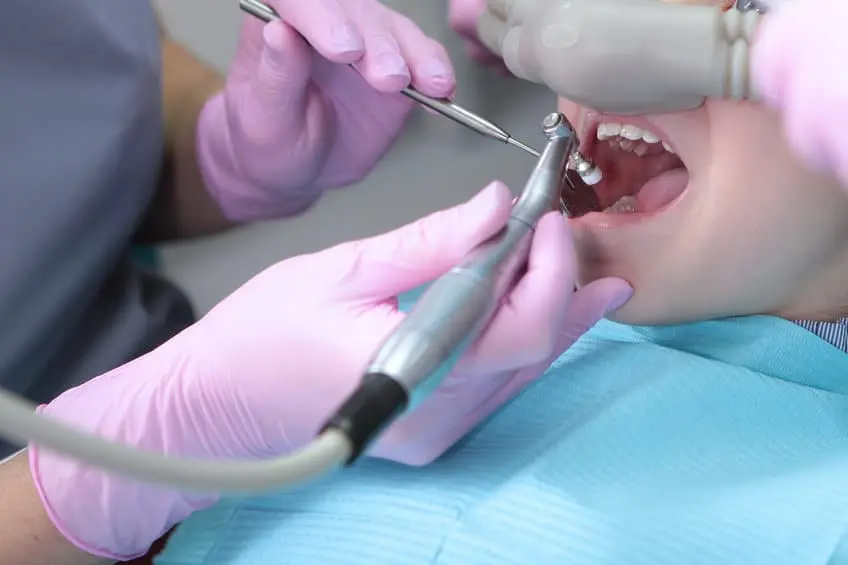
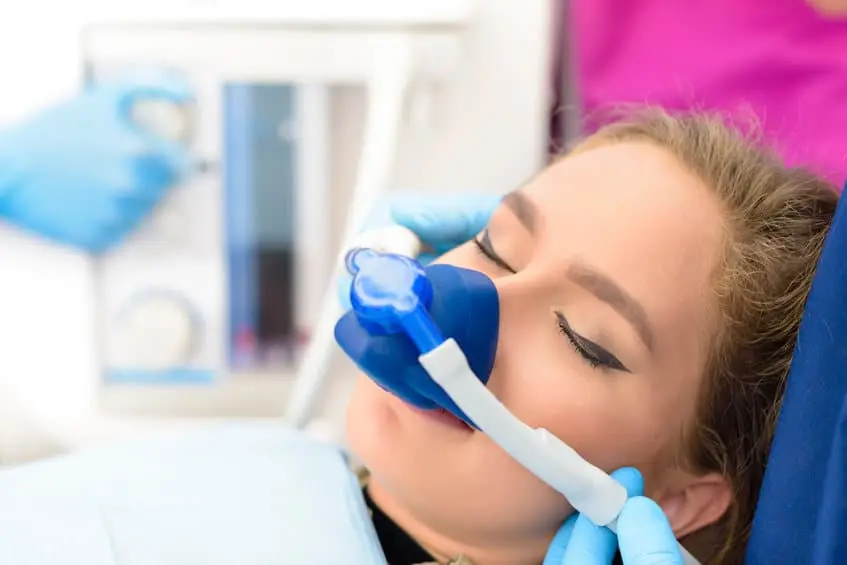
Nitrous Oxide Sedation
Nitrous oxide, commonly called laughing gas, is inhaled through a small mask placed over your nose. It’s mixed with oxygen and can help you feel calmer and more relaxed during treatment.
Nitrous oxide usually begins working within a few minutes. You remain awake and able to communicate with the dental team, and the level of sedation can be adjusted during your appointment.
One advantage is that its effects generally wear off relatively quickly after the gas is stopped and oxygen is provided. Your dentist will let you know what to expect afterward and whether any precautions are necessary before you leave.
Nitrous oxide may be an option for patients with mild to moderate dental anxiety or those who need help feeling more comfortable during certain procedures. Whether it’s appropriate depends on your age, health, treatment needs, and ability to breathe comfortably through your nose.
Oral Sedation
Oral sedation involves taking a prescribed medication before your appointment. It can help reduce anxiety and make dental treatment feel more manageable.
You’ll generally remain conscious and able to respond to instructions, but you may feel drowsy or less aware of what’s happening. How strongly you feel the effects—and how much you remember afterward—varies from person to person.
Oral sedation takes advance planning. Depending on the medication and your dentist’s instructions, you’ll need someone to drive you to and from the appointment. You may also need a responsible adult to stay with you afterward.
You shouldn’t drive, work, care for young children alone, or resume other activities until your dentist confirms it’s safe to do so. We’ll explain the precautions that apply to your specific appointment.
Before Your Sedation Appointment
Your safety comes first, so sedation needs to be planned in advance. Before recommending an option, we’ll review your medical history, medications and supplements, allergies, and relevant health conditions.
Be sure to mention breathing conditions such as sleep apnea, as well as any alcohol or recreational substance use that could affect medication safety. This information helps your dental team determine which option is appropriate for you.
We’ll also explain how to prepare for your appointment, including any instructions about eating and drinking, taking medications, arranging transportation, and planning for recovery.
Follow these instructions carefully, and contact the office if you have questions before your visit.
Does Sedation Replace Local Anesthetic?
No. Sedation helps reduce anxiety, but it doesn’t necessarily prevent you from feeling pain during dental treatment.
Local anesthetic is generally still used to numb the tooth and surrounding area when needed. The goal is to help you feel calmer while the anesthetic helps keep the procedure comfortable.
If injections are one of the things you find most difficult about dental visits, tell us when you call. Knowing what makes you nervous helps us discuss ways to make the experience easier.
Let's Talk About Your Dental Anxiety
You don’t have to wait until a dental problem becomes urgent to ask about sedation. Whether you’re nervous about a routine visit or have treatment you’ve been putting off, the first step is a conversation.