

15 Jan New Year, New Smile: How to Reset Your Dental Care Routine
New Year, New Smile: How to Reset Your Dental Care Routine
Starting a new year often brings a renewed sense of commitment. People set goals, reset routines, and try to make healthier choices. But one of the most overlooked—and most impactful—areas to reset is dental care. Your smile affects your health, confidence, and daily comfort. Yet, many people don’t realize how small habits lead to big improvements.
Below is an in-depth, actionable guide to help you use the “fresh start effect” and reset your oral health routine for long-term results.

Why the New Year Is the Best Time to Reset Your Dental Routine
The beginning of January naturally motivates people to make meaningful changes. When it comes to oral health, this timing is ideal.
Psychological Benefits of a Fresh Start
Researchers have found that “temporal landmarks”—like a new year—boost motivation. They encourage you to mentally separate your “past self” from your “new self.” That’s powerful when adopting better dental habits.
Why Oral Health Goals Are More Achievable in January
People often have lighter schedules after the holidays and renewed focus on wellness. Pair that with the desire to start anew, and sticking to habits like brushing correctly or flossing daily becomes much easier.
Understanding the Foundations of Effective Dental Care
Before jumping into a new routine, it’s important to understand the core of good dental care.
Brushing: Techniques Most Adults Still Get Wrong
Most people brush too quickly, too harshly, or inconsistently. The correct technique is gentle circular motions, reaching every surface for at least two minutes.
Tips:
- Use fluoride toothpaste.
- Replace your toothbrush every 3 months.
- Brush after breakfast, not before.
Flossing: Why Skipping It Hurts More Than You Think
Flossing removes plaque and food debris your brush simply can’t reach. Not flossing increases your risk of gum disease and cavities between the teeth.
Quick method: Use an 18-inch piece of floss, curve it in a “C” shape, and gently glide it between each tooth.
Mouthwash: Helpful or Overrated?
Mouthwash isn’t a replacement for brushing or flossing, but it helps kill bacteria, freshen breath, and reduce plaque buildup. Alcohol-free formulas are gentler for daily use.
Building Your New-Year Dental Care Action Plan
Here’s where your routine becomes real. Follow this 4-step plan to reset your dental habits.
Step 1: Choose the Right Toothbrush and Toothpaste
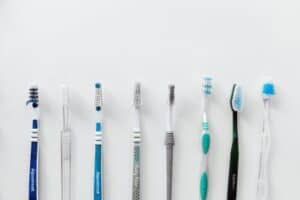
Electric toothbrushes remove more plaque than manual brushes. Soft bristles are best for gum health, and fluoride toothpaste strengthens enamel.
Step 2: Create a Consistent Morning and Night Routine
A predictable routine increases success. For example:
Morning Routine:
- Brush
- Rinse with mouthwash
- Hydrate with water
Night Routine:
- Floss
- Brush
- Rinse
Step 3: Integrate Healthy Diet Choices for Stronger Teeth
Diet shapes dental health more than you think. Foods high in calcium, vitamins D and K2, and antioxidants help strengthen teeth and gums.
Best foods:
- Leafy greens
- Cheese
- Salmon
- Berries
- Tea
Step 4: Know When to Replace Dental Tools
Your toothbrush wears out long before it looks “old.” Replace it every 90 days or sooner if bristles bend.
Professional Dental Care and When to Seek It
Dentists do far more than clean teeth—they identify problems early before they become painful or expensive.
Scheduling Regular Checkups
You should see a dentist twice a year, minimum. If you have gum issues, you may need more frequent visits.
Understanding Early Signs of Problems
Seek professional help if you notice:
- Bleeding gums
- Lingering sensitivity
- Bad breath that won’t go away
- Cracked or chipped teeth
- Pain when chewing
- Advanced Tips for a Whiter, Brighter Smile
Once your core routine is set, take things a step further.
At-Home Whitening Options
Whitening strips, LED kits, and whitening toothpaste can be effective when used safely. Always follow the instructions to avoid sensitivity.
In-Office Whitening Benefits
Professional whitening is faster, more dramatic, and safer for enamel. Learn more from reputable dental sites like the American Dental Association .
How to Stay Motivated All Year
Habit Stacking
Attach your new habit to an existing one, like brushing right after morning coffee.
Tracking Progress
Use a habit-tracking app or a calendar to stay accountable.
Building Accountability
Partner with a friend, family member, or dental professional to help maintain your routine.
FAQs
1. How often should I brush my teeth?
You should brush at least twice a day for two minutes each session.
2. Does flossing really make a big difference?
Yes. Flossing removes plaque your toothbrush can’t reach and significantly reduces the risk of gum disease.
3. What type of toothbrush is best for sensitive gums?
A soft-bristled toothbrush—manual or electric—is ideal for sensitive gums.
4. How often should I replace my toothbrush?
Every 3 months or sooner if the bristles appear frayed.
5. Can mouthwash replace brushing?
No. Mouthwash supports oral hygiene but doesn’t remove plaque.
6. How do I know if I need professional whitening?
Consult your dentist if over-the-counter products don’t deliver results or if you have sensitivity concerns.
In Conclusion
Resetting your dental care routine is one of the most valuable decisions you can make as you enter a new year. With the right tools, techniques, and motivation, you’ll not only protect your oral health—but also boost your confidence every time you smile. Build habits gradually, stay committed, and let your new routine carry you toward a brighter, healthier future.
Sorry, the comment form is closed at this time.