

08 Dec Managing Teeth Grinding During Holiday Stress
Managing Teeth Grinding During Holiday Stress
The holidays are supposed to be joyful—but let’s be honest, they can also be chaotic. Family gatherings, gift shopping, year-end responsibilities, and disrupted routines can pile up quickly. This pressure often causes physical reactions, including teeth grinding, which is also called bruxism. Since stress and bruxism are closely linked, it’s important to understand how your holiday schedule may be making your symptoms worse.
What Is Teeth Grinding? (Bruxism Explained Simply)
Teeth grinding happens when your jaw muscles tighten involuntarily. It often occurs during sleep, but daytime clenching is common too. Many people don’t notice they’re grinding until they experience jaw pain or a partner hears the grinding at night. During stressful seasons like the holidays, grinding becomes more frequent due to heightened muscle tension and anxiety.
Why Holiday Stress Increases Teeth Grinding Episodes
Holiday stress affects the brain’s stress-response system, which increases adrenaline and cortisol. These hormones make your jaw muscles contract more frequently. Combine that with late nights, heavy meals, more caffeine, and emotional exhaustion, and you have the perfect recipe for more grinding episodes. Even positive stress (like excitement) can trigger tension in the jaw.
Early Signs of Teeth Grinding You Shouldn’t Ignore
Recognizing early symptoms helps you stop grinding before it causes long-term damage. People often confuse bruxism with regular jaw tension, but there are clear signs to watch out for.
Physical Symptoms of Stress-Induced Grinding
-
Morning headaches
-
Sore jaw muscles
-
Earaches without ear infection
-
Tooth sensitivity
-
Chipped or flattened teeth
-
Neck or shoulder tension
These symptoms often appear first thing in the morning since most grinding happens during sleep.
Behavioral Signs and Sleep Disruptions
Grinding can also impact your sleep quality. You might notice:
-
Trouble staying asleep
-
Feeling unrested even after 7–8 hours
-
Increased irritability and restlessness
Partners may hear grinding noises at night, which is another common red flag.
7 Powerful Ways to Manage Teeth Grinding During Holiday Stress
The good news is you can control holiday-induced bruxism with simple but effective strategies. Below are seven powerful methods recommended by dental and stress-management experts.
1. Using Mouthguards for Nighttime Protection
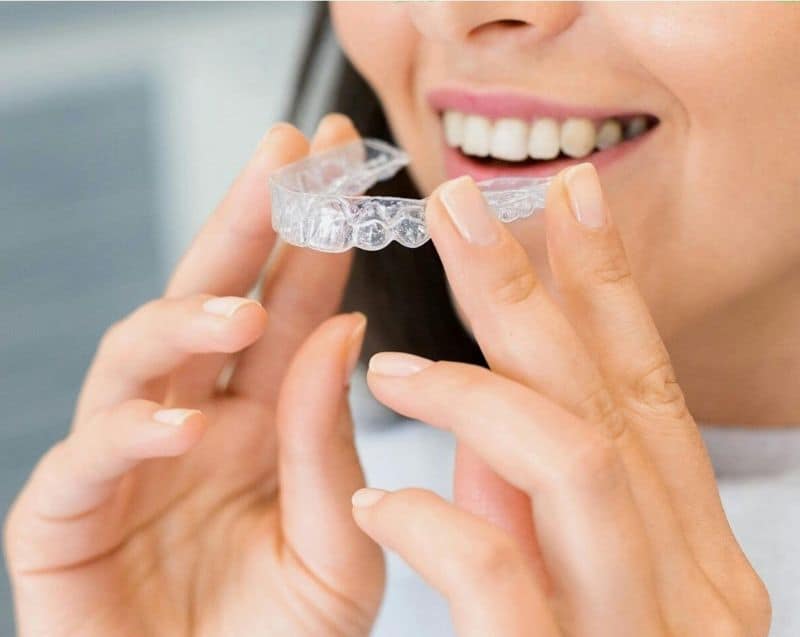
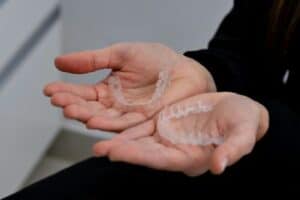
A mouthguard (also called a nightguard) prevents teeth from rubbing against each other. Dentists can create custom-fit guards that offer the best protection. Over-the-counter guards work too, though they may not be as comfortable.
Benefits include:
-
Preventing tooth damage
-
Reducing jaw muscle strain
-
Improving quality of sleep
If your holiday schedule is hectic, a nightguard is a quick and convenient solution.
2. Practicing Daily Relaxation Techniques
Stress feeds bruxism, so managing stress is key. Try incorporating:
-
Deep breathing exercises
-
Guided meditation
-
Warm compresses on the jaw
-
10-minute evening stretching
When done consistently, these habits reduce muscle tension, helping your jaw relax even during sleep.
3. Improving Your Holiday Sleep Schedule
Holiday events often lead to late nights. But disrupted sleep patterns increase jaw clenching. To counter this:
-
Keep a consistent bedtime
-
Limit screen time 1 hour before bed
-
Try reading or calming music
-
Avoid heavy meals before sleep
Sleep hygiene is one of the strongest defenses against nighttime grinding.
4. Reducing Caffeine, Sugar, and Alcohol Intake
Caffeine increases muscle tension, sugar boosts inflammation, and alcohol disrupts REM sleep—all of which make grinding worse.
Try to:
-
Swap coffee for herbal tea
-
Choose low-sugar holiday snacks
-
Limit alcohol close to bedtime
A few simple swaps can significantly reduce bruxism episodes.
5. Trying Jaw-Friendly Exercises
Jaw exercises help retrain the muscles involved in grinding.
Try this simple routine:
-
Open your mouth slightly and relax your tongue.
-
Slowly move your jaw left to right.
-
Hold each stretch for five seconds.
-
Repeat 5–7 times.
These movements strengthen jaw control and relieve built-up tension.
6. Scheduling Preventive Dental Checkups
Before the holiday rush, it’s smart to get a dental checkup. Your dentist can:
-
Check for early enamel wear
-
Recommend prevention tools
-
Provide in-office stress-relief treatments
-
Suggest a custom nightguard
If you grind heavily, early detection prevents long-term dental issues.
7. Managing Holiday Responsibilities to Reduce Stress
Sometimes the biggest cause of grinding isn’t physical—it’s mental overload. Consider:
-
Delegating tasks
-
Setting realistic expectations
-
Saying “no” when needed
-
Blocking time for self-care
A lighter schedule means a more relaxed jaw.
Best Foods and Habits That Help Reduce Teeth Grinding
What you eat also affects stress levels and muscle tension. While the holidays tempt you with sugary treats and festive drinks, try incorporating healthier choices.
Stress-Reducing Nutrients and Minerals
Foods rich in magnesium, calcium, and B-vitamins help relax your nervous system.
Try including:
-
Bananas
-
Almonds
-
Oatmeal
-
Leafy greens
-
Salmon
-
Avocados
Magnesium is especially effective because it helps calm muscle spasms.
Foods to Avoid During the Holidays
To reduce grinding, limit:
-
Sugary desserts
-
Chocolate (contains caffeine)
-
Soda
-
Energy drinks
-
Excessive red wine
Even small changes can significantly reduce holiday bruxism triggers.
When to See a Dentist or Doctor
While many cases improve with home care, serious grinding can require professional evaluation.
Warning Signs You Need Professional Help
Contact a dentist if you experience:
-
Cracked teeth
-
Constant facial or jaw pain
-
Loud grinding noises (reported by a partner)
-
Lockjaw or clicking sounds
-
Migraines linked to jaw tension
These may indicate severe bruxism.
Available Medical and Dental Treatments
Professionals may recommend:
-
Custom nightguards
-
Botox injections for jaw relaxation
-
Stress management therapy
-
Dental restoration for damaged teeth
-
Medications for muscle spasms

FAQs
1. Does holiday stress really make teeth grinding worse?
Yes. Stress increases jaw muscle tension and disrupts sleep, both of which trigger grinding.
2. Can teeth grinding go away on its own?
Sometimes. If stress levels decrease and lifestyle habits improve, mild bruxism may fade.
3. Is grinding harmful if it only happens during sleep?
Yes. Even nighttime grinding can cause enamel loss, headaches, and jaw pain.
4. Does caffeine always trigger grinding?
Not always, but it increases the risk by overstimulating your nervous system.
5. Should I wear a mouthguard every night?
If you grind frequently, yes. Consistent use offers the best protection.
6. When should I see a doctor instead of a dentist?
If grinding causes chronic headaches, ear pain, or severe facial tension, see a doctor.
In Conclusion
Managing teeth grinding during holiday stress is absolutely possible with the right strategies. By recognizing symptoms early, improving sleep habits, reducing dietary triggers, and protecting your teeth with mouthguards, you can enjoy a more peaceful—and pain-free—holiday season. Remember, stress may be unavoidable, but how you manage it makes all the difference. With consistent care and a bit of planning, your jaw can stay relaxed even during the busiest time of year.
Sorry, the comment form is closed at this time.