

28 Aug How Do I Know If I Need a Bone Graft for Implants? | Broken Arrow, OK
A lot of patients researching implant basics assume that needing a bone graft before implants means something went wrong, but that’s rarely the case. It’s simply a byproduct of how bone works: the jawbone under a missing tooth needs the pressure of chewing to stay dense, and once that pressure disappears, the bone gradually shrinks. If you’re wondering how do I know if I need a bone graft for implants, the honest answer is that you can’t know for certain without imaging, but a handful of specific factors make it far more likely, and understanding them ahead of your consultation helps the whole process make more sense.
Why Bone Loss Happens After Tooth Loss
A natural tooth root stimulates the surrounding jawbone every time you bite down, which keeps that bone strong and maintained. Once a tooth is gone, whether from extraction, injury, or long-term denture wear, that stimulation stops, and the body starts reabsorbing bone that’s no longer being used. This process, called bone resorption, happens gradually but consistently, and it’s most pronounced in the first year after a tooth is lost. That’s part of why dentists often recommend addressing a missing tooth sooner rather than later, since waiting gives the bone more time to shrink.
Factors That Make a Bone Graft More Likely
How long the tooth has been missing. The longer a space sits empty, the more bone typically resorbs. A tooth missing for a few months is a very different situation than one missing for several years.
A history of gum disease. Periodontal disease is a leading cause of bone loss around teeth, and if it’s affected the area where you want an implant, there’s a good chance the supporting bone is thinner than it should be.
Long-term denture use. Dentures rest on the gums rather than stimulating the bone the way a natural tooth root does, so patients who’ve worn dentures for years often have more pronounced bone loss in that area.
Trauma or injury to the jaw. A fracture or significant impact can damage bone structure directly, sometimes requiring reconstruction before an implant is even possible. If you already know you deal with teeth grinding, mention it during your consultation, since it affects how much force the implant site will need to withstand long term.
Sinus proximity in the upper jaw. For upper back teeth, the sinus cavity sits close to the roof of the mouth, and after tooth loss, that space can expand downward, leaving less bone height available for an implant.
| Your Situation | Bone Graft Likely? | Why |
|---|---|---|
| Tooth extracted within the last few weeks, implant planned soon after | Often not, or a minor graft | Less time for significant bone resorption to occur |
| Tooth missing for 1 or more years | Likely | Bone has had time to resorb without root stimulation |
| Long-term denture wearer | Likely | Dentures don’t stimulate bone the way natural roots do |
| History of gum disease in the area | Likely | Periodontal disease directly damages supporting bone |
| No history of tooth loss, gum disease, or trauma in the area | Possible but less likely | Bone volume may still be sufficient, confirmed by imaging |
As the table shows, timing and history matter more than symptoms here, since bone loss usually doesn’t cause any pain or obvious signs on its own. That’s exactly why imaging, not guesswork, is the deciding factor.
The Only Way to Know for Sure
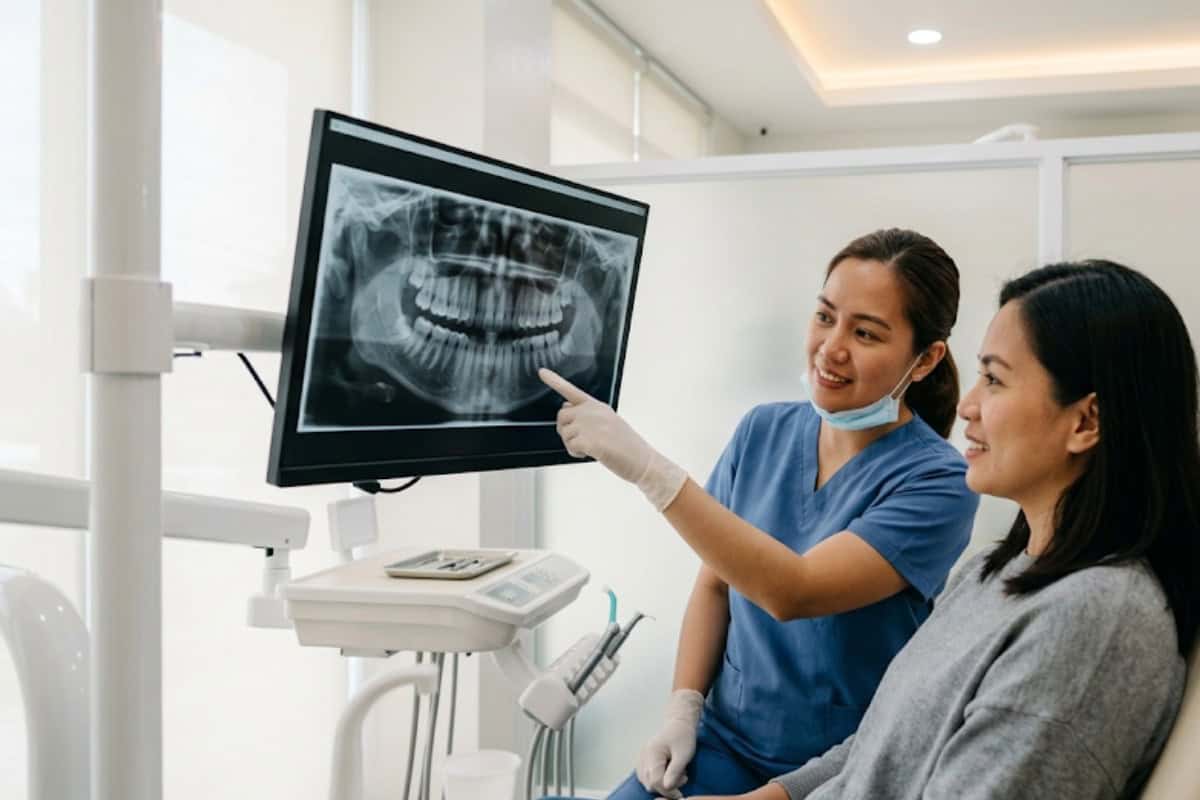
None of these factors alone confirm you need a graft. The only reliable way to know is a CT scan or 3D imaging that measures the actual height, width, and density of your jawbone at the implant site. Oral surgeons and dentists look for whether there’s enough bone surrounding where the implant post would sit, generally wanting at least a millimeter or two of bone on all sides for long-term stability. If the scan shows adequate bone, you can often move straight to the implant. If it doesn’t, a graft rebuilds the area first so the implant has a stable foundation to anchor into.
Does Osteoporosis or Bone Density Play a Role?
Overall skeletal health can factor in too. Conditions that affect bone density throughout the body, along with age and certain medications, can influence how much bone is available in the jaw and how well it heals after a graft. This doesn’t rule anyone out from getting implants, but it’s part of why your dentist will ask about your broader medical history, not just what’s happening in your mouth.
What the Graft Procedure Actually Involves
A bone graft uses material, either from your own body, a donor source, or a synthetic substitute, placed into the area that needs rebuilding. Over the following months, your body integrates that material and grows new bone around it, creating a stronger foundation. Healing time before an implant can be placed varies, often several months, depending on the size of the graft and your individual healing response. It sounds like a bigger step than it usually feels like in practice, most patients describe it as similar to or easier than the extraction that preceded it.
Why Choose Dentistry For You Broken Arrow
We don’t recommend a bone graft because it’s the safe default answer, we recommend it when the imaging actually shows you need one. Every implant consultation starts with a scan of your jawbone, so the decision is based on what we can see rather than an assumption about how long you’ve been missing a tooth. If your bone volume turns out to be sufficient, we’ll tell you that and move forward with the dental implants process directly. Patients in Broken Arrow appreciate knowing exactly why a graft is or isn’t part of their plan before treatment starts, not after.
Ready to Find Out If You Need a Bone Graft? Schedule a Consultation
Frequently Asked Questions
How do I know if I have enough jawbone for a dental implant?
The only reliable way is through a CT scan or 3D imaging that measures the height, width, and density of the bone at the implant site. Factors like how long you’ve been missing the tooth or a history of gum disease raise the odds you’ll need a graft, but imaging is what confirms it.
What happens if I get a dental implant without enough bone?
Without sufficient bone surrounding it, an implant is at higher risk of instability or failure over time. This is exactly why dentists check bone volume before placement rather than after, since it’s much easier to build up bone first than to correct a failing implant later.
How long does healing take after a bone graft before implant placement?
Healing time varies by the size of the graft and your individual response, but it’s often several months before the area is ready for an implant. Smaller grafts done at the same time as an extraction may require less waiting than larger reconstructive grafts.
Does gum disease cause the bone loss that requires grafting?
Yes, periodontal disease is one of the most common causes of bone loss around teeth. If gum disease has affected the area where you’re considering an implant, there’s a meaningfully higher chance the supporting bone will need to be rebuilt first.
Is a bone graft painful?
Most patients report discomfort similar to or milder than a tooth extraction, manageable with over-the-counter or prescribed pain medication. Some swelling and soreness in the first few days is normal and typically improves within a week.

Sorry, the comment form is closed at this time.