

14 Aug Why Do My Gums Look Uneven on One Side? | Broken Arrow, OK
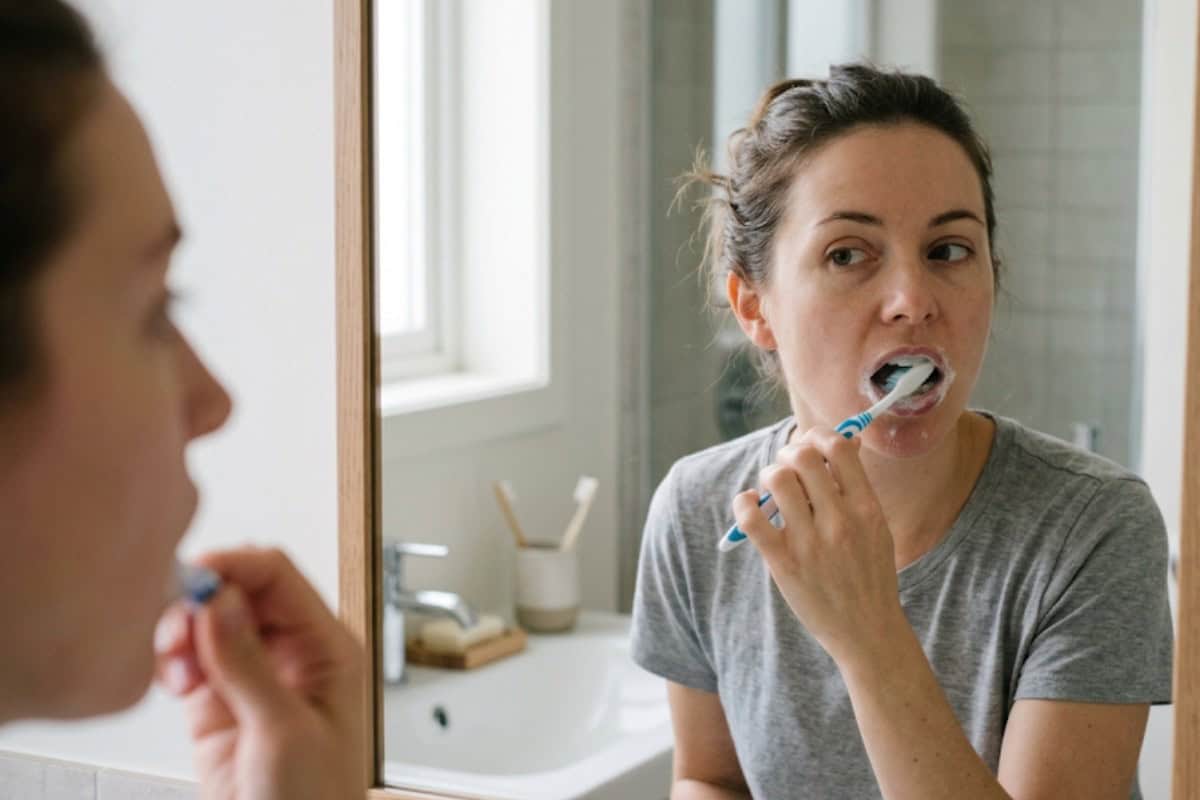
Most people in Broken Arrow, Oklahoma brush with their dominant hand, and that single habit is one of the most common reasons gums end up uneven from one side of the mouth to the other. If you’ve noticed that your gums look uneven on one side, with one or two teeth appearing longer or the gum line sitting lower than its neighbors, the cause is almost always localized rather than a sign that something is wrong with your whole mouth. This guide walks through the most common reasons it happens, how to tell them apart, and when it’s worth having a dentist take a look.
It’s Usually Local, Not General
When gum recession shows up on one specific tooth or one side of your smile while the rest of your gums look healthy, dentists call this localized recession. That’s a meaningful distinction from generalized gum disease, which tends to affect the whole mouth fairly evenly. Localized recession points toward a specific mechanical or bacterial cause acting on just that spot, which is good news in one sense: once you identify the cause, you can usually stop it from getting worse.
The Most Common Causes
Brushing technique. A horizontal scrubbing motion with a medium or firm-bristle brush wears away gum tissue fastest at the point of maximum contact, and because most people press harder on their dominant side, recession often shows up there first. Canines and the teeth right next to them are especially vulnerable since the gum tissue over them is naturally thinner than over the molars.
Bite misalignment or teeth grinding. When your upper and lower teeth don’t meet evenly, certain teeth absorb more force than others every time you bite or grind at night. That concentrated pressure can wear down the bone supporting those teeth, and as bone level drops, gum tissue follows it down.
Localized plaque or gum disease. Bacteria can build up in a small pocket around one tooth even if the rest of your mouth looks clean, especially if flossing tends to get skipped on one side. That pocket allows bacteria to keep working on just that spot, pulling gum tissue away from the tooth over time.
Physical trauma. A lip or tongue piercing, a habit like chewing on a pen, or even a past injury to one area of the mouth can cause recession isolated to wherever the repeated contact happens.
| Likely Cause | What You’ll Notice | What Helps |
|---|---|---|
| Brushing technique | Recession on your dominant-hand side, often canines or premolars | Soft-bristle brush, gentler pressure, correct technique |
| Bite misalignment or grinding | Recession on teeth that absorb the most bite force, jaw soreness | Night guard, bite evaluation |
| Localized plaque buildup | Bleeding or tenderness limited to one tooth or area | Professional cleaning, targeted flossing |
| Physical trauma | Recession at the exact site of a piercing or repeated contact | Removing the source of contact, dental evaluation |
As the table shows, the location of the recession is usually the biggest clue to its cause. Recession on your dominant side often traces back to brushing, while recession on teeth that take the most bite force often points toward grinding or a misaligned bite that hasn’t been addressed.
Signs This Needs a Dentist’s Look
A few specific signals mean it’s time to schedule a visit rather than just switching toothbrushes and hoping it resolves:
- A tooth noticeably longer than the ones next to it, or root surface you can see in the mirror
- Sensitivity to cold, hot, or sweet foods concentrated at one specific tooth
- Bleeding when you brush that specific area, even if the rest of your gums don’t bleed
- A notch or groove right at the gumline on one tooth
- Waking up with jaw soreness or noticing worn, flattened tooth surfaces, which can point toward teeth grinding
Gum tissue that has already receded doesn’t grow back on its own, which is why catching these warning signs early matters more than most other dental issues.
Malocclusion: The Bite Connection
Malocclusion, the clinical term for a bite that doesn’t line up correctly, is one of the more overlooked causes of one-sided recession because patients don’t always connect a crooked bite to their gums. When teeth don’t meet evenly, chewing forces distribute unevenly too, and the teeth taking the brunt of that pressure are the ones most likely to show recession first. This is also often tied to grinding, since a bite that doesn’t sit right can trigger the jaw to clench or grind as it tries to find a comfortable resting position.
What Happens If You Wait
Ignoring localized recession doesn’t make it stop progressing on its own. Because gum disease and localized recession can both worsen gradually and painlessly, many people don’t take action until the exposed root surface starts causing sensitivity or the tooth visibly looks different from its neighbors. Exposed roots lack the protective enamel coating that covers the rest of the tooth, which means that surface decays faster and is harder to restore once it’s damaged. A gum recession evaluation early on gives you far more treatment options than waiting until the recession is advanced.
Why Choose Dentistry For You Broken Arrow
Uneven gums don’t get fixed by guessing which habit is to blame. During your visit, we look specifically at which side and which teeth are affected, check your bite for signs of uneven pressure, and watch your brushing motion if that seems like a likely contributor, rather than jumping straight to a generic “brush softer” recommendation. If the cause turns out to be your bite, we’ll talk through options like a night guard before assuming anything more involved is necessary. Patients in Broken Arrow bring us this exact concern often enough that we’ve gotten fast at narrowing down the real cause instead of treating every case of gum recession the same way.
What to Do Next
- Switch to a soft-bristle brush and use gentle, circular motions instead of horizontal scrubbing
- Pay attention to whether the recession lines up with your dominant hand or with teeth that feel worn or sensitive
- Schedule an exam so a periodontist or your general dentist can pinpoint the specific cause
- Avoid DIY fixes like essential oils or specific toothpaste claims promising to regrow gum tissue, since there’s no clinical evidence they work
- If you’re not sure whether what you’re seeing is normal, reach out to our Broken Arrow office and describe it, we can often tell you over the phone whether it’s worth coming in sooner rather than later
Notice Uneven Gums? Schedule an Exam at Dentistry For You Broken Arrow
Frequently Asked Questions
Why are my gums receding on only one side of my mouth?
The most common reasons are brushing harder on your dominant side, an uneven bite that puts extra pressure on certain teeth, or bacteria concentrated in one small area. Physical trauma from a piercing or repeated habit can also cause recession limited to a single spot.
Can brushing too hard on one side cause gum recession?
Yes. Pressing too hard with a medium or firm-bristle brush, especially with a horizontal scrubbing motion, wears away gum tissue over time, and this tends to happen fastest on whichever side you brush most aggressively, usually your dominant hand.
Does teeth grinding cause gum recession?
Grinding and clenching put repeated pressure on the teeth and the gum tissue and bone supporting them. Over time, that pressure can contribute to gum recession, particularly on the teeth absorbing the most force during grinding episodes.
Can receding gums grow back on their own?
No. Once gum tissue has receded and exposed the root surface, it does not regenerate naturally. Treatment can stop it from getting worse, but restoring lost tissue typically requires a grafting procedure.
When does gum recession need a dentist versus home care?
If you notice a tooth that looks longer than its neighbors, sensitivity at one specific tooth, or bleeding limited to one area, it’s time for a dental evaluation. Switching to a soft-bristle brush is a reasonable first step, but it won’t address bite-related or bacterial causes on its own.

Sorry, the comment form is closed at this time.