

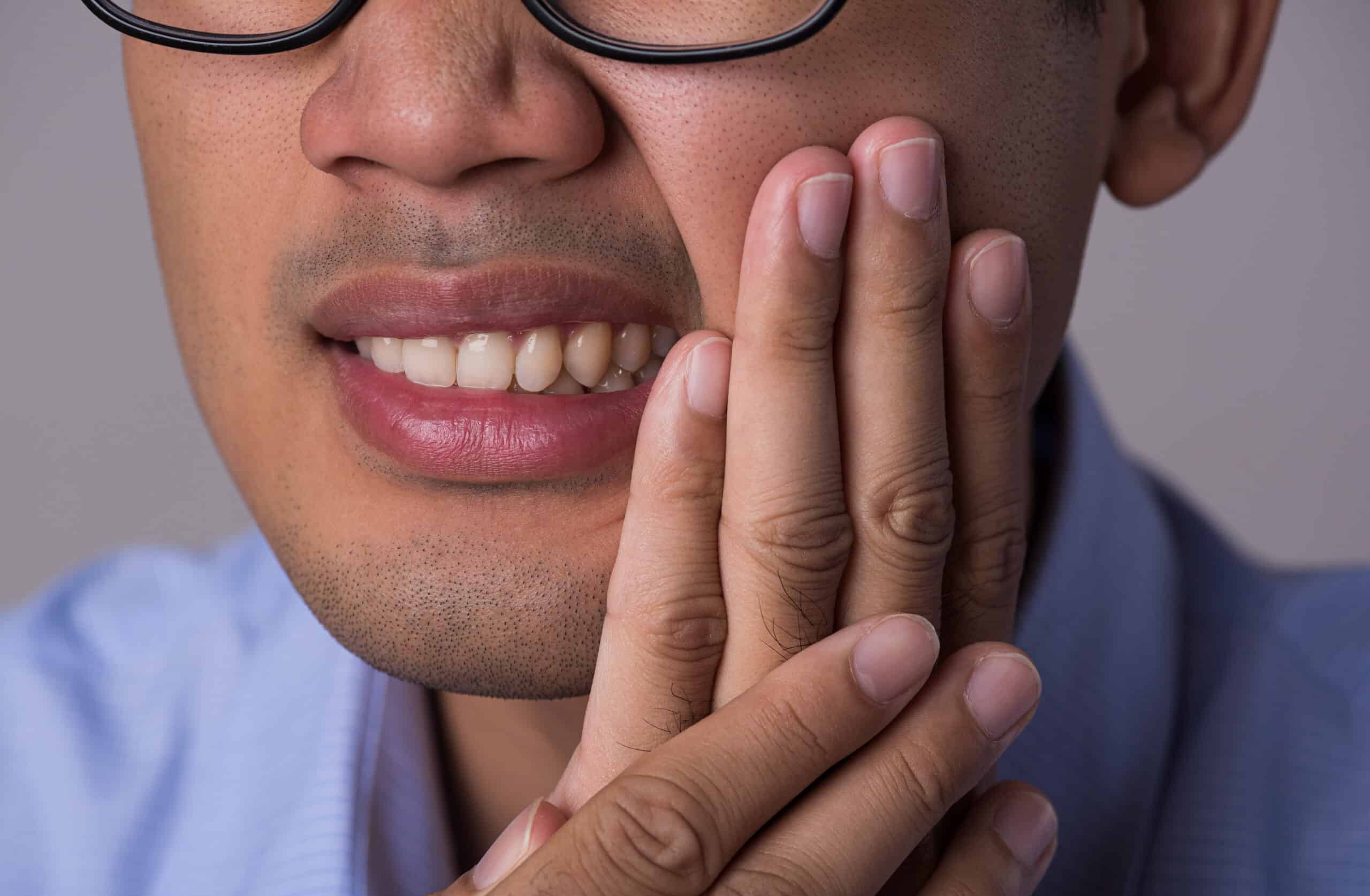
29 Mar What Causes Tooth Sensitivity And How You Can Treat It
When I first experienced tooth sensitivity, I didn’t realize how many different factors could be causing it. After researching and understanding how dentists diagnose and treat it, I found that tooth sensitivity is common—but also very manageable with the right approach.
Tooth sensitivity is caused by exposed dentin due to enamel erosion, gum recession, or tooth damage, and it can be treated with desensitizing toothpaste, fluoride treatments, good oral hygiene, and professional dental care. If you’ve ever felt a sharp pain when drinking something cold or hot, you’re not alone. Keep reading to learn what’s behind that discomfort and how you can effectively treat and prevent it.
Common Causes Of Tooth Sensitivity Explained
Tooth sensitivity occurs when the protective layers of your teeth are compromised, exposing the underlying dentin. This inner layer contains microscopic tubules that connect to nerve endings, which is why certain triggers like temperature or pressure can cause sharp pain.
One of the most common causes is enamel erosion. Enamel is the hard outer layer of your teeth, and once it wears down, it cannot regenerate. Acidic foods and drinks, such as citrus fruits, soda, and coffee, gradually weaken enamel over time. Frequent exposure increases the likelihood of sensitivity.
Gum recession is another major factor. When gums pull back, they expose the roots of the teeth, which do not have the same protective enamel. This leaves the dentin vulnerable to external stimuli. Gum recession can result from aggressive brushing, gum disease, or aging.
Tooth decay and cavities can also lead to sensitivity. When bacteria break down tooth structure, they create openings that allow heat, cold, and pressure to reach the nerves. Similarly, cracked or chipped teeth expose inner layers and cause discomfort.
Teeth grinding, also known as bruxism, is another contributor. Grinding wears down enamel over time, increasing sensitivity. Many people are unaware they grind their teeth, especially during sleep, which makes it a hidden cause.
Dental procedures can sometimes cause temporary sensitivity as well. Treatments such as whitening, fillings, or cleanings may leave teeth more sensitive for a short period, but this usually subsides within a few days. Understanding the cause of your sensitivity is essential because treatment depends on addressing the underlying issue rather than just masking the symptoms.
How To Treat Tooth Sensitivity Effectively
Treating tooth sensitivity starts with protecting the dentin and reducing nerve stimulation. One of the simplest and most effective treatments is using desensitizing toothpaste. These products contain compounds that block pain signals from reaching the nerves, providing relief over time with consistent use.
Fluoride treatments are another effective option. Fluoride helps strengthen enamel and reduce sensitivity by reinforcing the tooth’s protective layer. Professional fluoride applications from a dentist can provide faster and more noticeable results compared to over-the-counter options.
Improving your oral hygiene routine is also critical. Brushing with a soft-bristled toothbrush and using gentle techniques can prevent further enamel wear and gum recession. Avoid brushing too hard, as this can worsen sensitivity.
If gum recession is the cause, your dentist may recommend treatments such as gum grafting to cover exposed roots. For more severe cases, dental bonding or sealants can be applied to protect sensitive areas.
In cases of grinding, wearing a custom night guard can help prevent further enamel damage. Addressing this issue not only reduces sensitivity but also protects your teeth from long-term wear.
Professional evaluation is important if sensitivity persists. A dentist can identify underlying issues such as cavities, cracks, or infections and provide appropriate treatment.
Foods And Habits That Trigger Sensitivity
Certain foods and daily habits can worsen tooth sensitivity, especially if enamel is already weakened. Acidic foods and beverages are among the biggest culprits. Drinks like soda, wine, and citrus juices can erode enamel over time. Limiting these and rinsing your mouth with water afterward can help reduce damage.
Extremely hot or cold foods can trigger sensitivity more intensely. Ice cream, hot coffee, and similar items often cause discomfort when dentin is exposed. Sugary foods also contribute to sensitivity by promoting tooth decay. Bacteria feed on sugar and produce acids that weaken enamel, increasing the risk of cavities and sensitivity.
Brushing immediately after consuming acidic foods can actually make things worse. It’s better to wait at least 30 minutes to allow enamel to recover before brushing.
When To See A Dentist For Sensitive Teeth
While mild sensitivity can often be managed at home, there are times when professional care is necessary. If the pain is severe, persistent, or affects multiple teeth, it’s important to see a dentist. These symptoms may indicate underlying issues such as decay, infection, or structural damage.
Sensitivity that suddenly appears without an obvious cause should also be evaluated. Early diagnosis can prevent more serious problems and reduce the need for extensive treatment. Regular dental checkups play a key role in preventing sensitivity. Dentists can identify early signs of enamel wear, gum recession, or decay and address them before they worsen.
How To Prevent Tooth Sensitivity Long-Term
Preventing tooth sensitivity involves protecting your enamel and maintaining healthy gums. Using a soft-bristled toothbrush and gentle brushing technique can help prevent damage. Brushing twice a day and flossing regularly keeps your teeth clean without causing unnecessary wear.
Limiting acidic and sugary foods reduces the risk of enamel erosion. Drinking water after meals and maintaining a balanced diet also support overall oral health. Wearing a mouthguard if you grind your teeth can protect enamel from damage. Regular dental visits ensure that any potential issues are caught early.
Consistency is key. Small daily habits can make a significant difference in preventing sensitivity and maintaining long-term oral health.
Related Questions
Is tooth sensitivity permanent?
Tooth sensitivity is not always permanent and can often be treated or managed by addressing the underlying cause, such as enamel erosion or gum recession.
Does whitening toothpaste cause sensitivity?
Whitening toothpaste can cause temporary sensitivity because it may contain abrasive or bleaching agents that affect enamel and dentin.
Can sensitive teeth heal on their own?
Sensitive teeth may improve over time if caused by temporary factors, but persistent sensitivity usually requires treatment to address the underlying issue.

Sorry, the comment form is closed at this time.